International conferences · Rome, Italy · 2024
Road to Rome: My First European Trip with the UN
An unexpected invitation brought me from geospatial work in the Philippines to a room of global marine spatial planning experts—and into a week of learning, representing, and exploring.
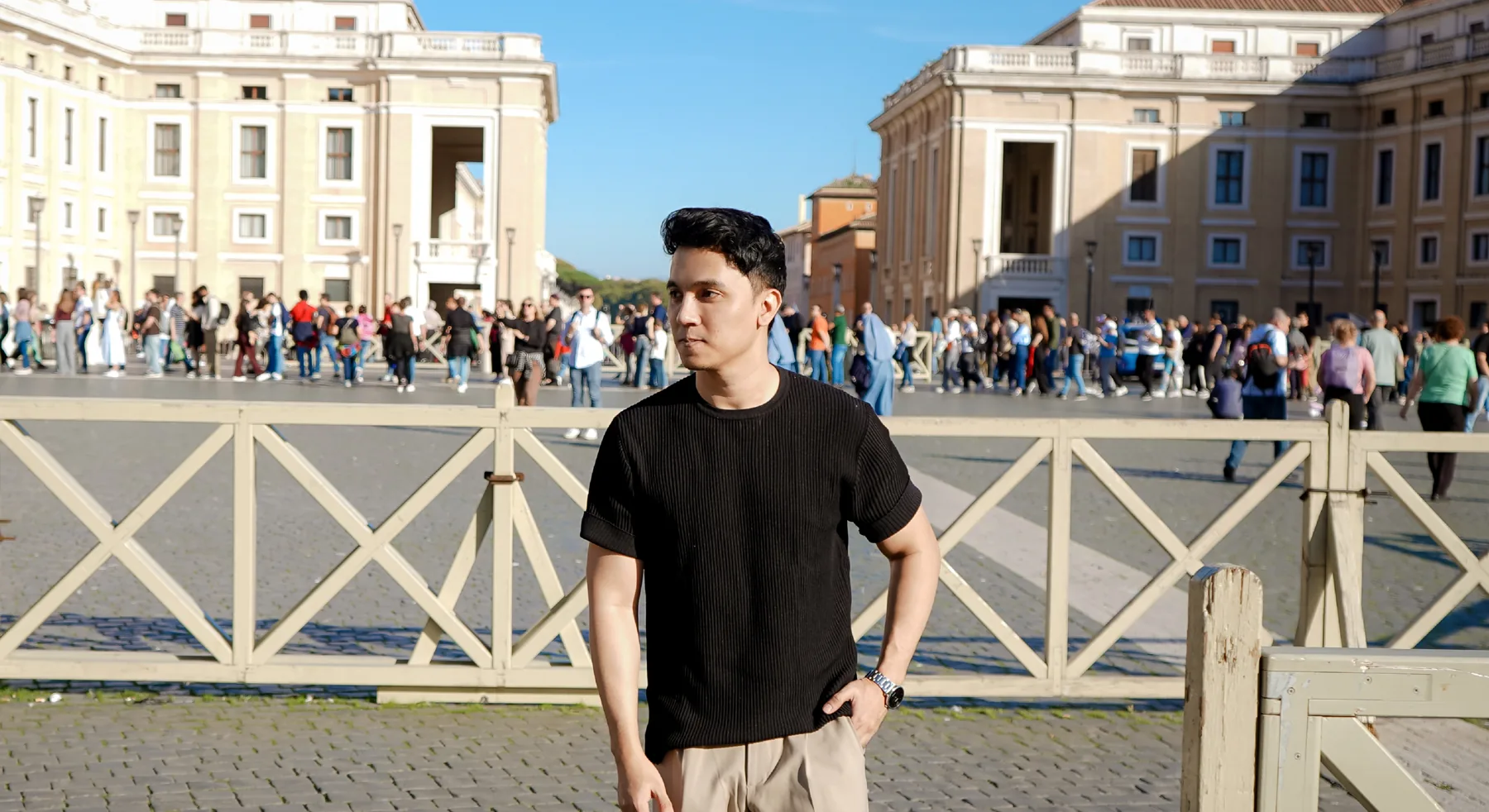
Europe had always felt like a distant place on the map—somewhere I studied, read about, and collaborated with remotely, but never imagined visiting so soon.
Until one unexpected email changed everything.
Back in 2023, I worked as the National GIS Specialist for the Food and Agriculture Organization of the United Nations (FAO Philippines), supporting an ICT-based Marine Spatial Planning project in partnership with the University of the Philippines Marine Science Institute. Our work was focused entirely within the Philippines: traveling across project sites and developing geospatial tools to support coastal planning.
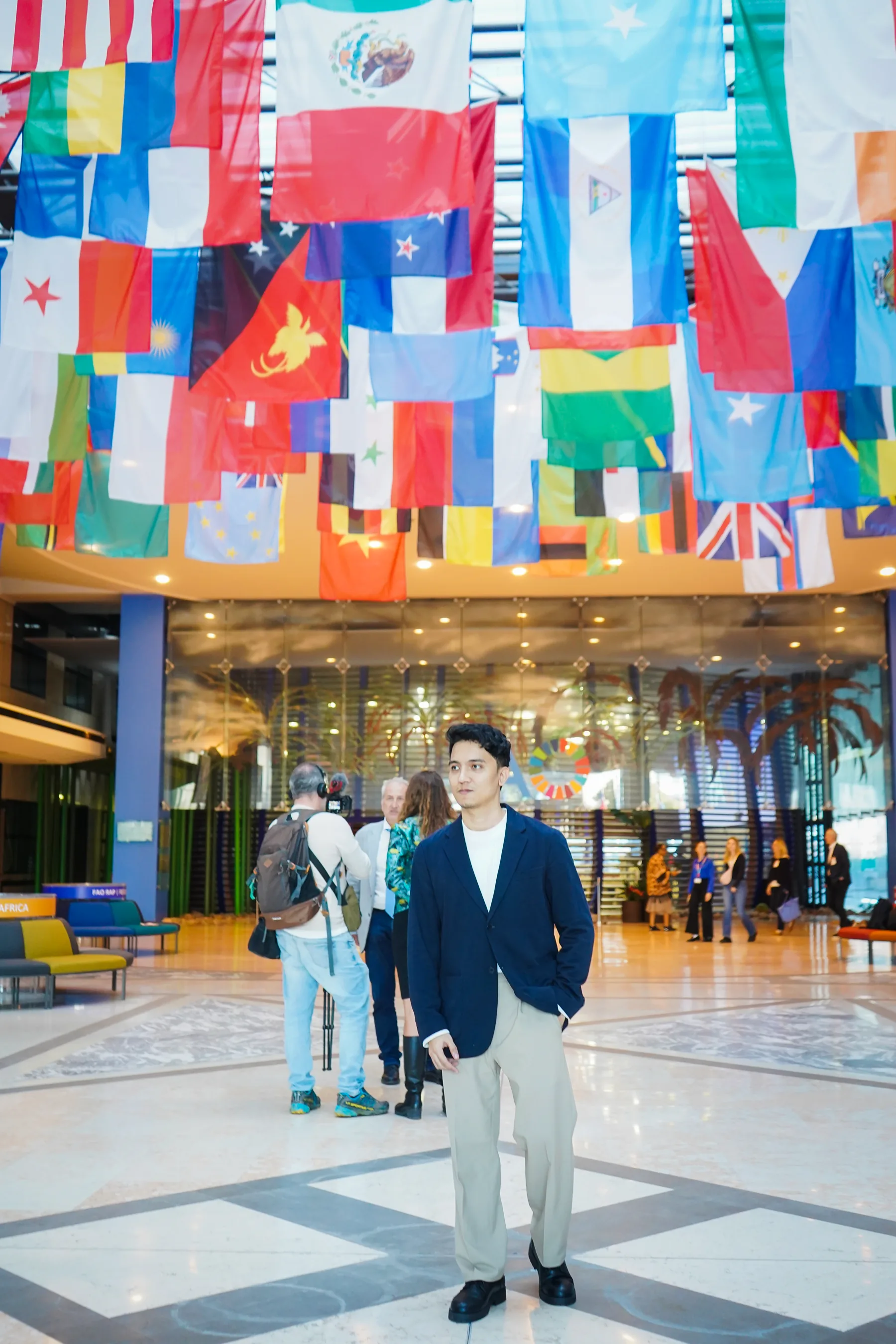
A few months after the project officially ended, I received an invitation from FAO Headquarters to serve as a resource person at the international expert workshop on Spatial Management for Aquaculture Planning: Defining Needs for Assisting Countries, jointly organized by FAO and ISPRA in Rome.
It would be my first time in Italy—and in Europe. I would also be sharing the room with some of the world's leading experts in marine spatial planning and aquaculture, including Doris Soto, Trevor Telfer, and Barry António Costa-Pierce, whose work I had long admired through journals and publications.
It was one of those surreal moments when names you have only seen on research papers suddenly become the people sitting beside you.
At the workshop
Learning from the world's experts
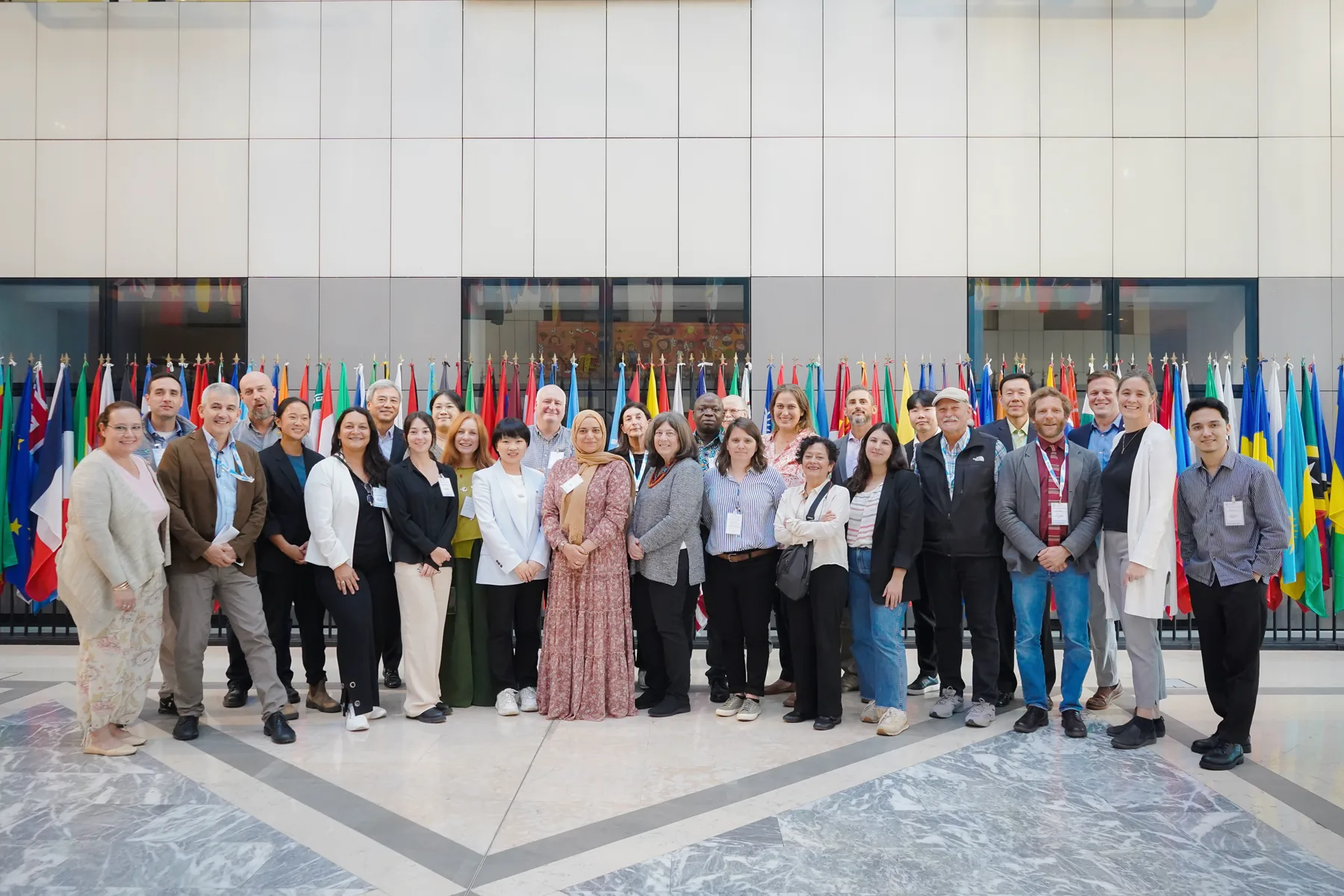
Throughout the workshop, experts from different regions shared their experiences integrating aquaculture into marine spatial planning. The conversations moved from policy and governance to geographic information systems, predictive modelling, and decision-support tools.
What I appreciated most was the openness of the discussions. Rather than presenting only finished work, everyone shared challenges, lessons learned, and ideas for improving spatial planning across different countries.
It reminded me that, regardless of where we come from, many of us are trying to solve the same problems—just in different contexts.
Sharing the work
Representing the Philippines
Presenting lessons and best practices from the Philippine marine spatial planning experience.
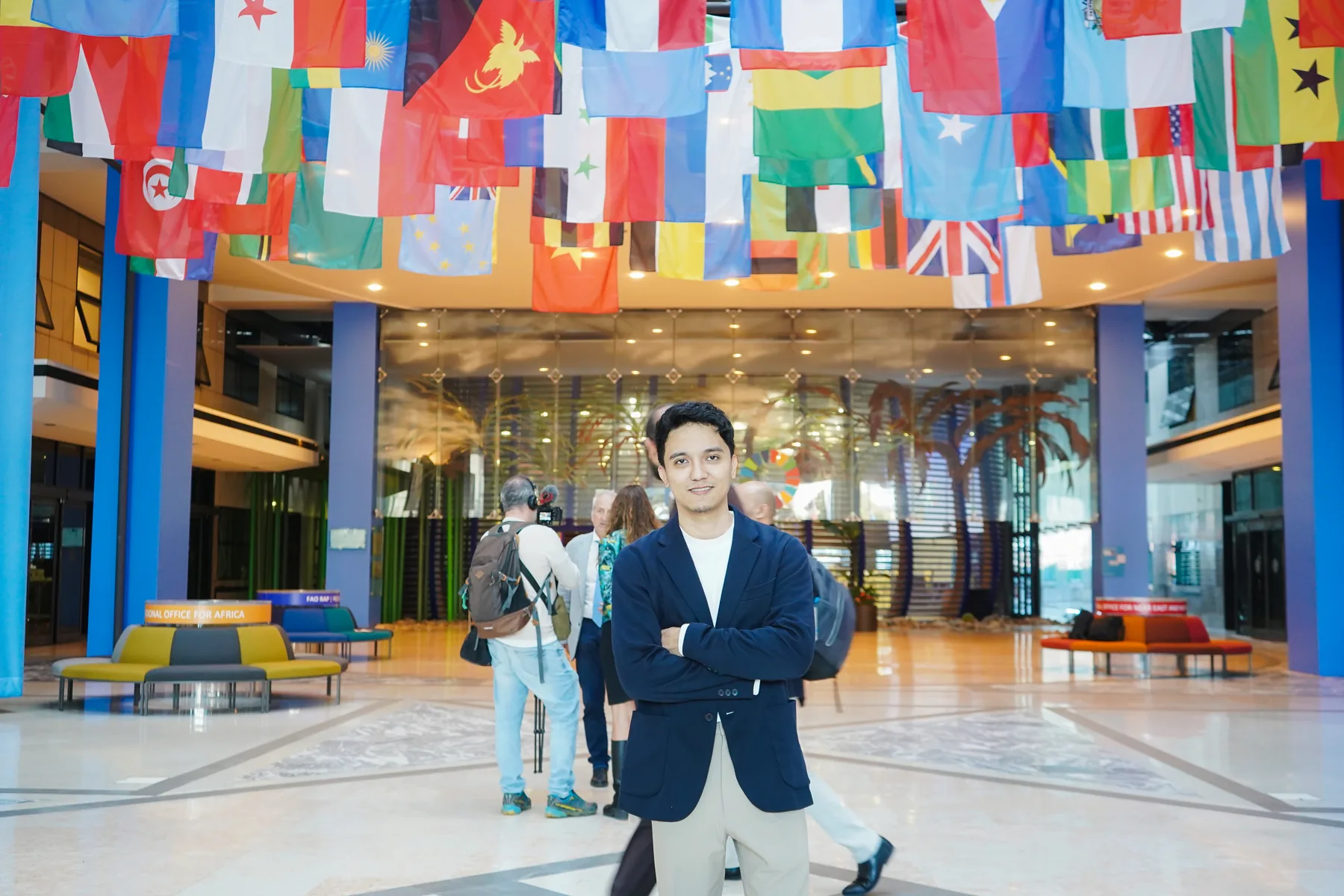
One of the highlights of the workshop was presenting the Philippine experience in Marine Spatial Planning. I shared our progress, the challenges we continue to face, and the ways geospatial technologies can bridge critical information gaps for better planning and decision-making.
Standing there—representing not only our project but also the Philippines—was both exciting and humbling. It reminded me how much valuable work is happening back home, and how important it is to bring those experiences into the international conversation.
The workshop concluded with a draft roadmap outlining strategic actions for integrating aquaculture into marine spatial planning worldwide.
Read the public workshop reportFAO · cd9318en ↗I remain deeply grateful to FAO and the Italian Institute for Environmental Protection and Research (ISPRA) for the opportunity to participate as one of the international experts in this workshop.
Beyond the conference
A week exploring Italy
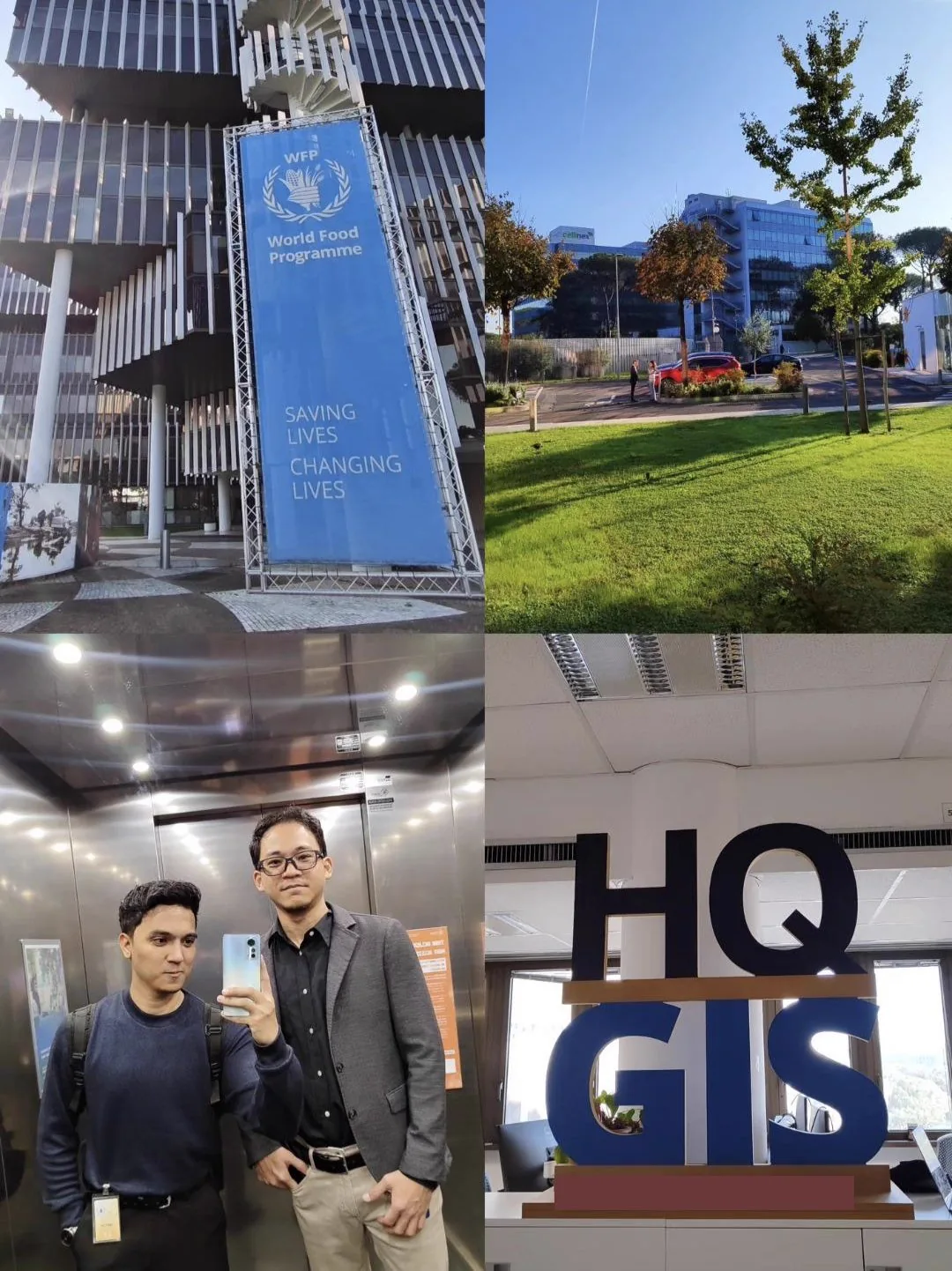
Since I was already in Italy, I decided to extend my stay for another week. My good friend and ‘geospatial kuya’ Kuya Mikel Manalili, who was working in Rome, welcomed me into his apartment and generously showed me around the city.
One of the most memorable moments was visiting his office at the WHO. Walking through its peaceful grounds, green spaces, and inspiring work environment, I could not help but imagine what it might be like to work in a place like that someday.
Outside work
Falling in love with Italy
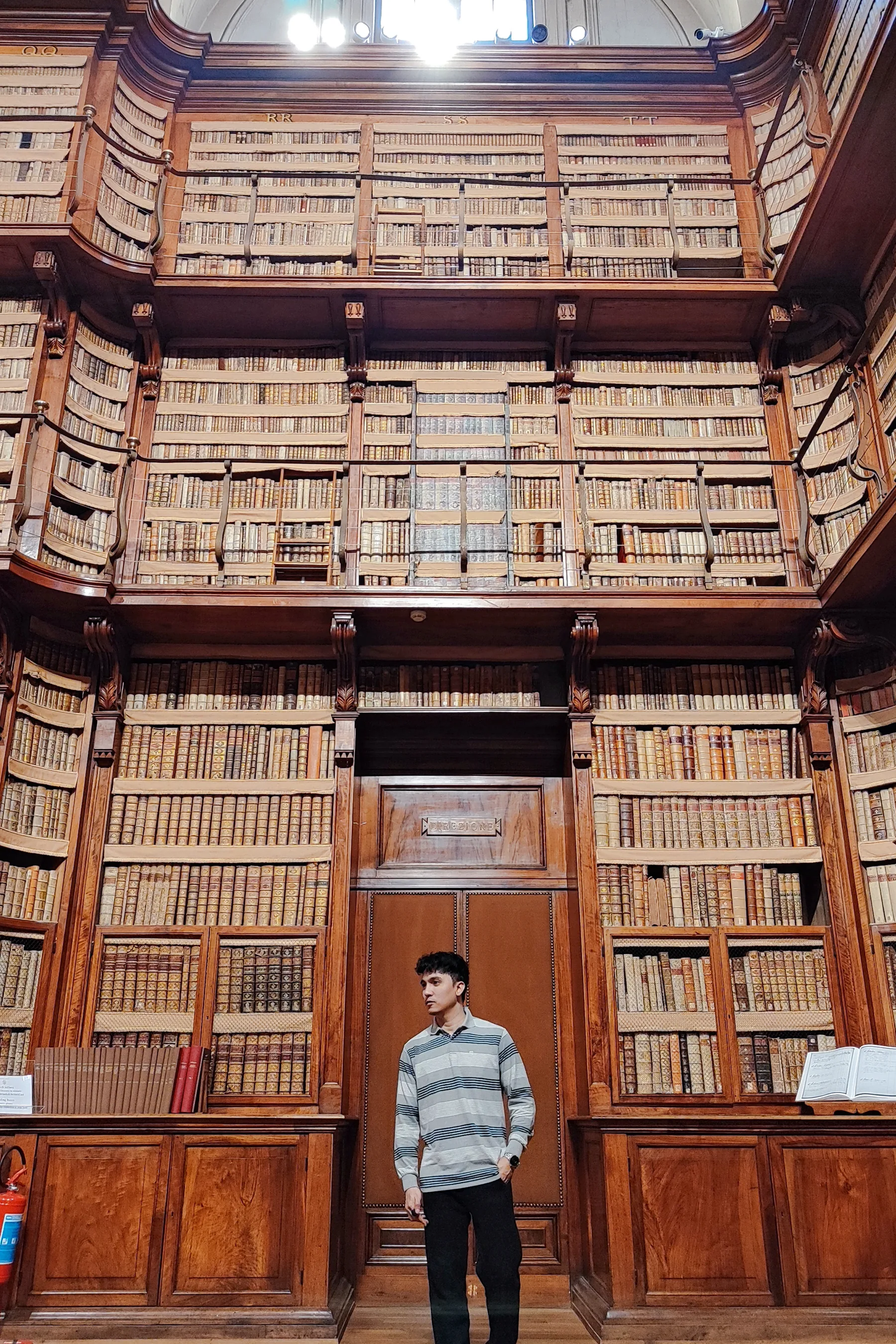
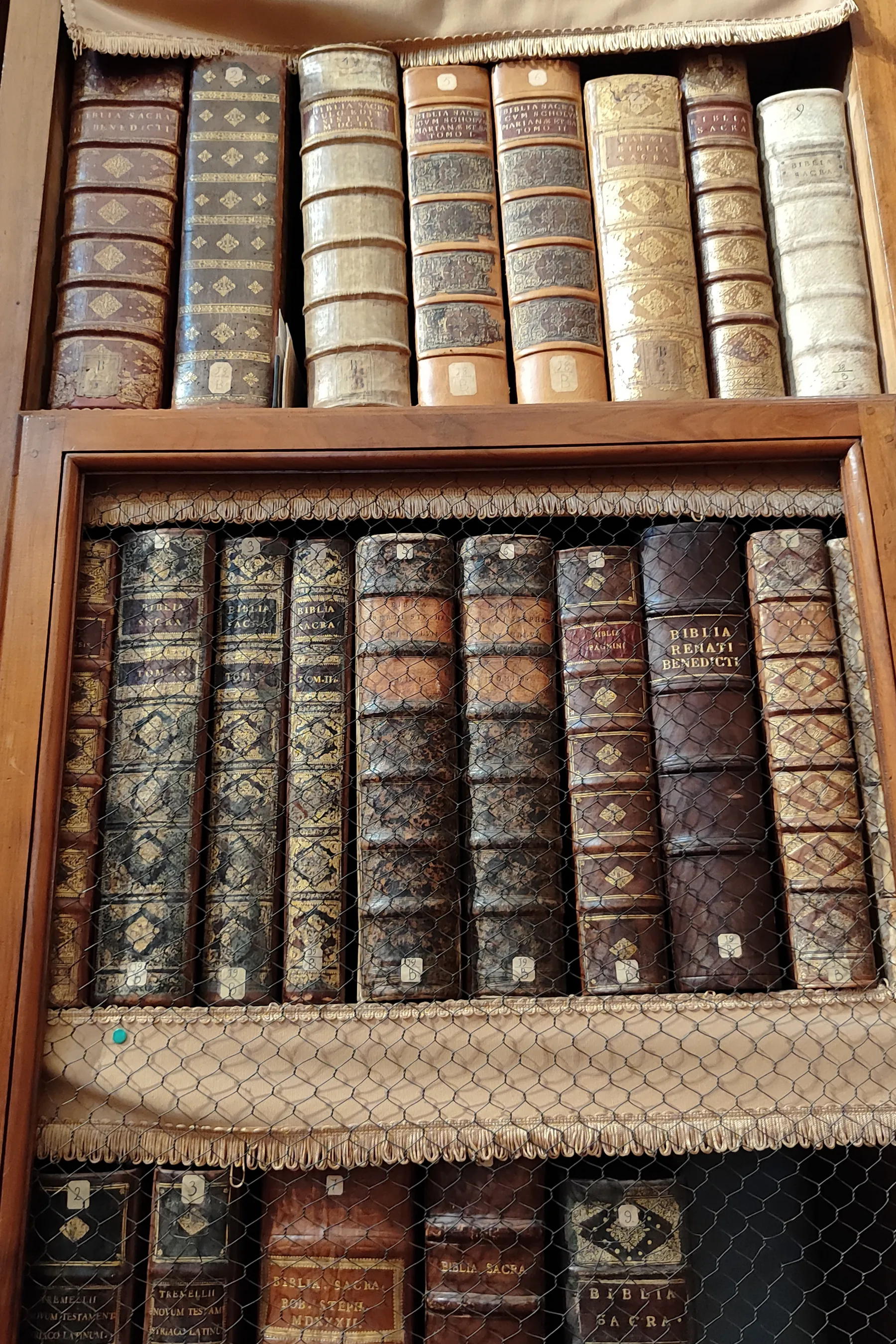
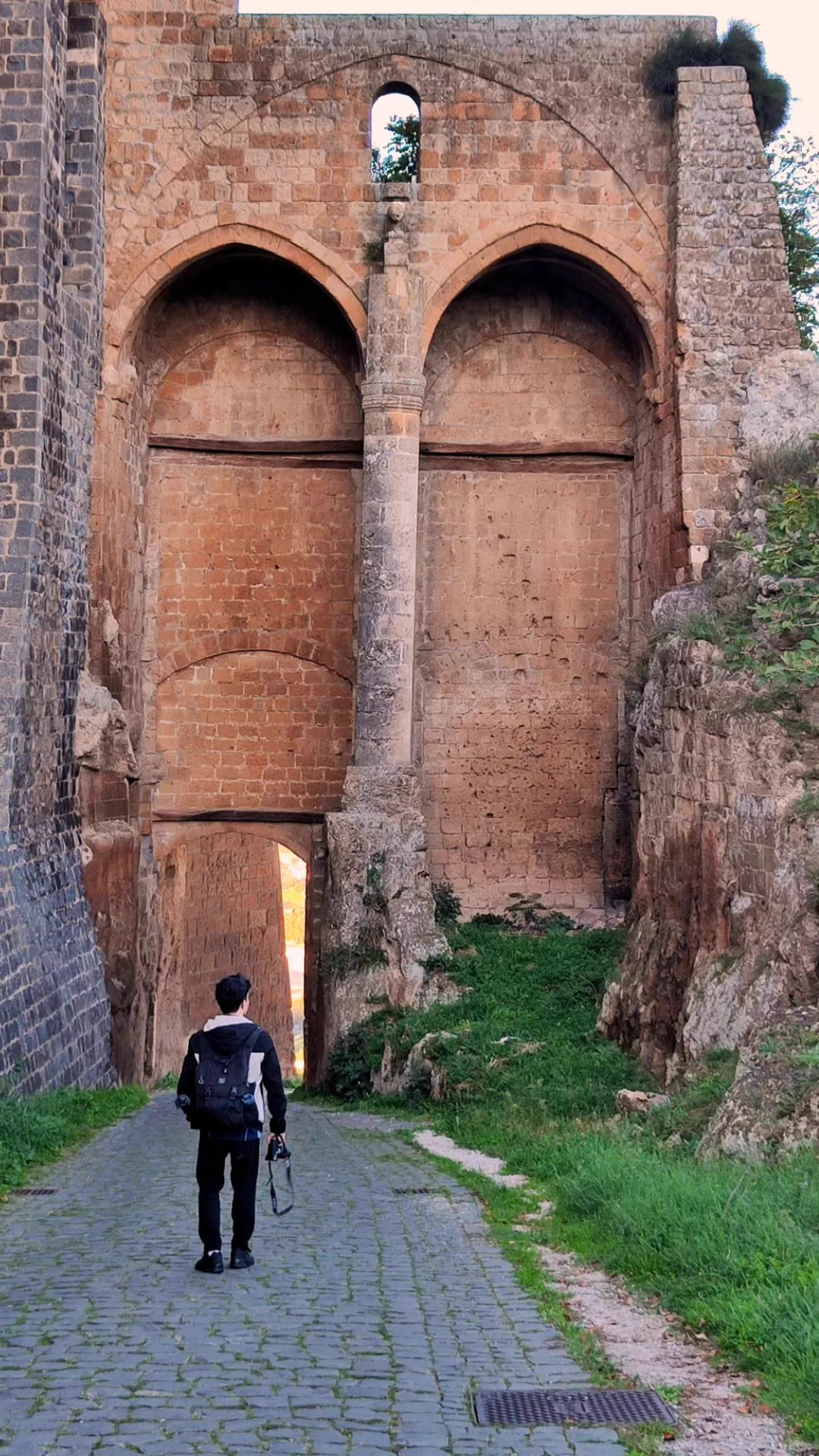
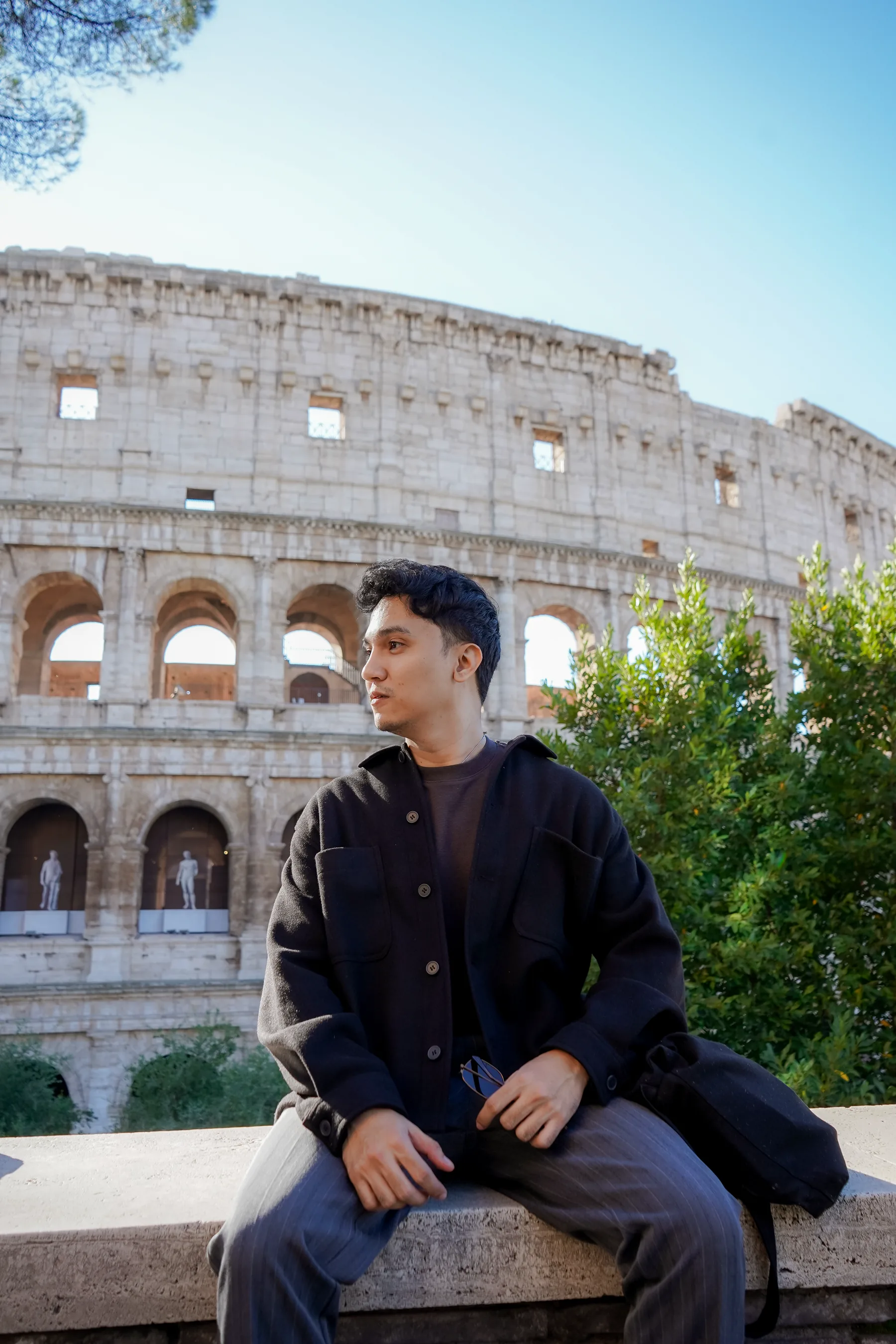
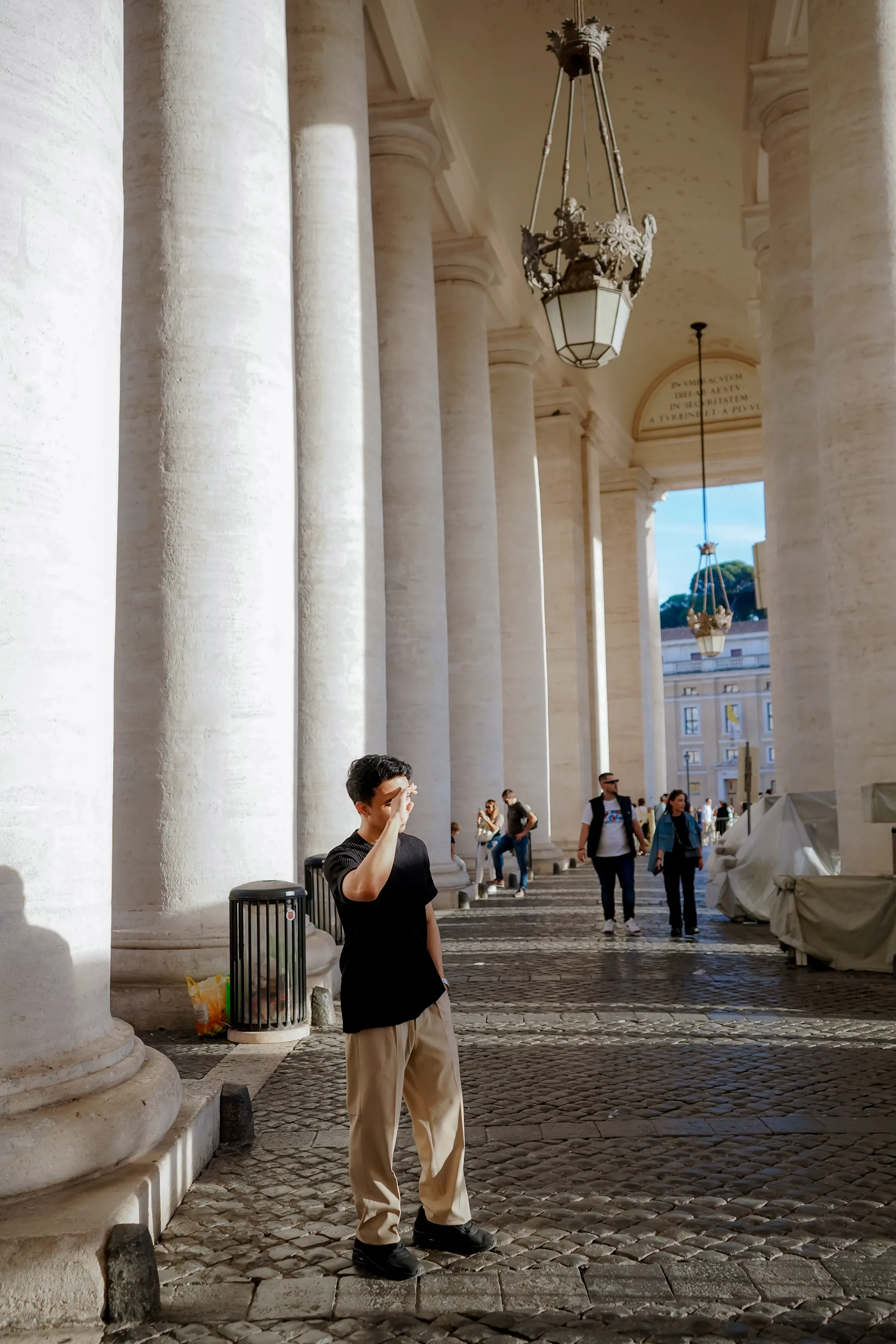
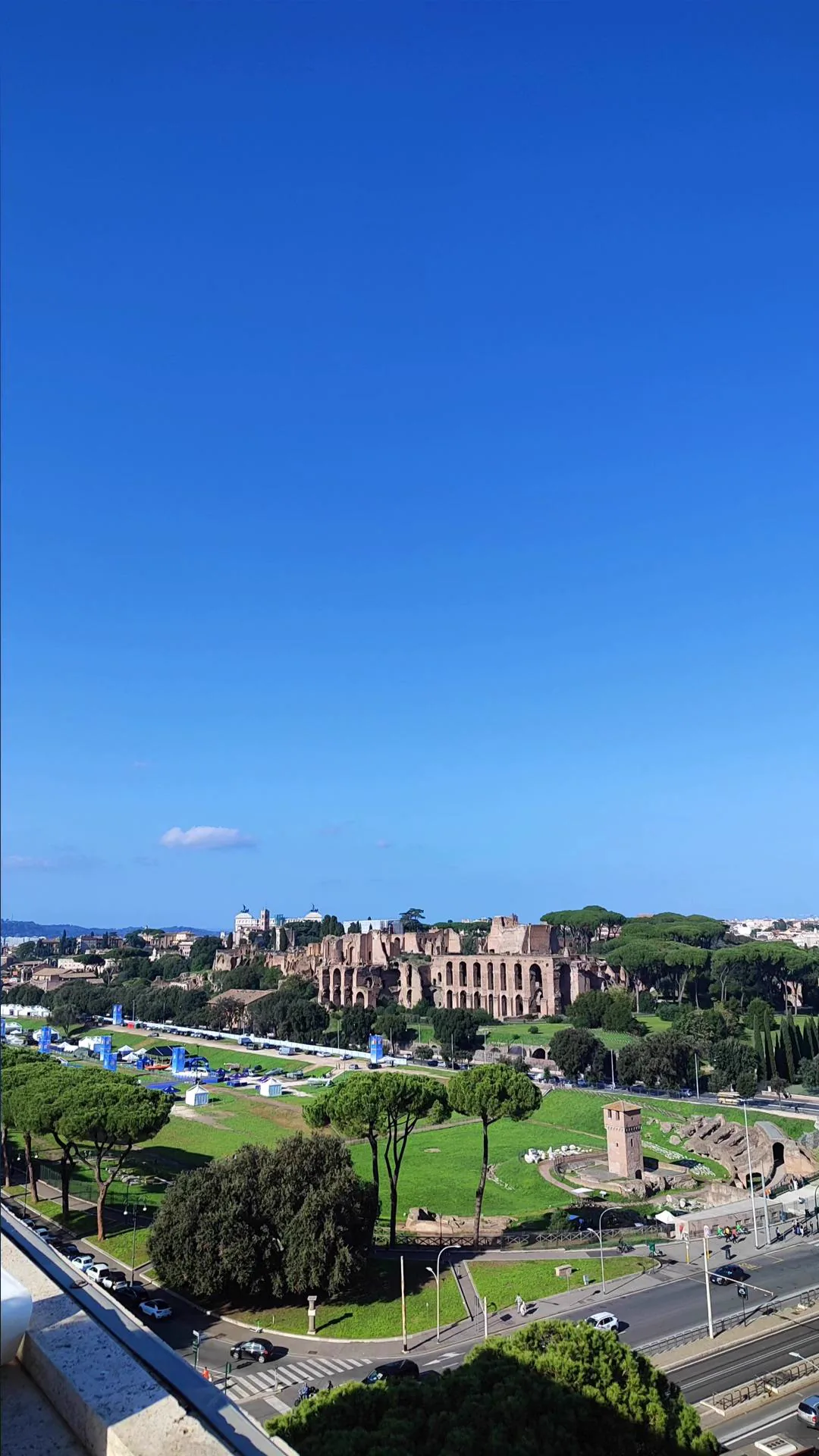
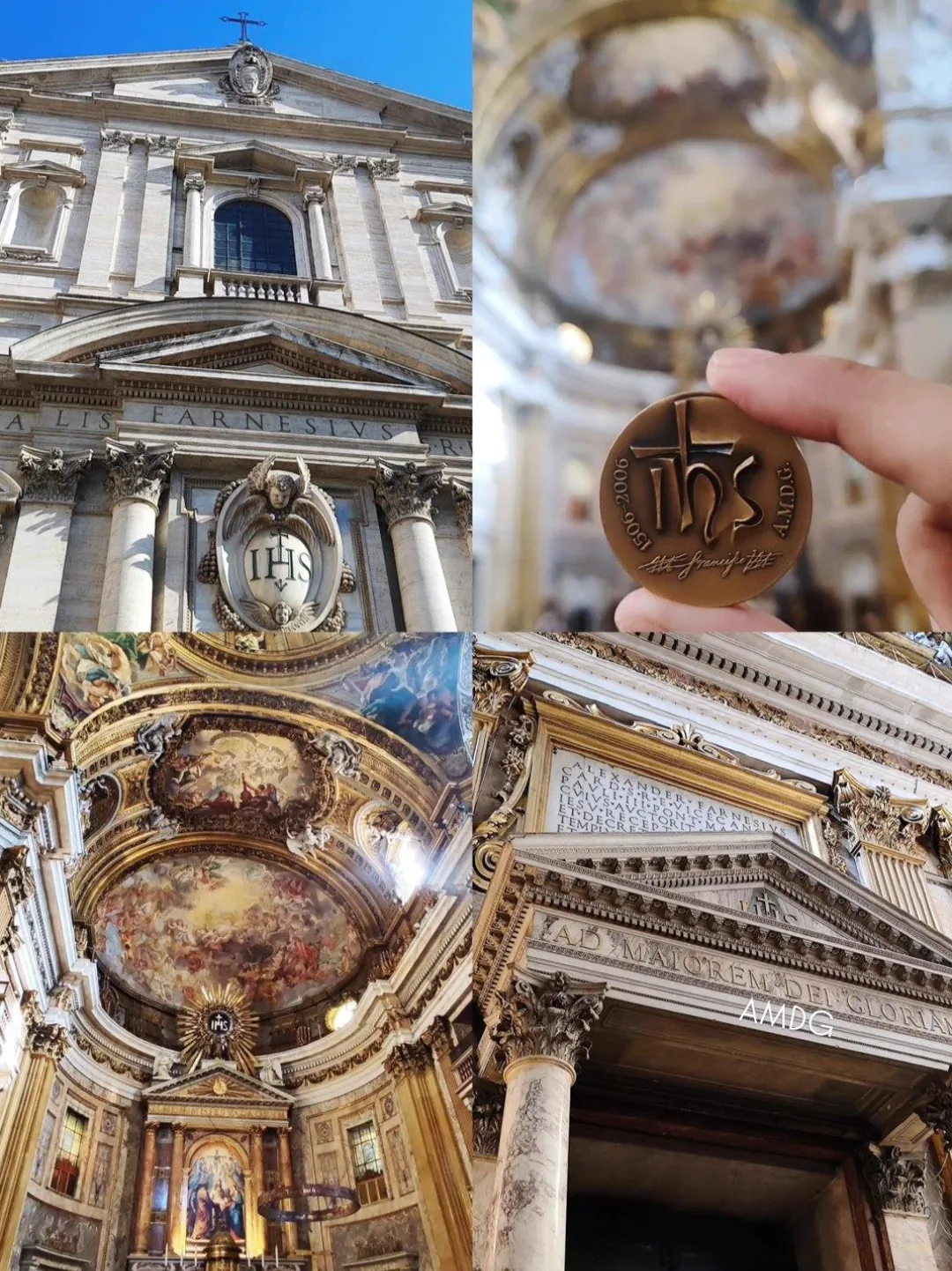
Outside the workshop, I simply enjoyed being a tourist. I wandered through magnificent churches, admired the timeless beauty of the Pantheon, explored the hilltop town of Orvieto, visited the remarkable Pozzo di San Patrizio and Torre del Moro, spent quiet afternoons inside museums, and found myself appreciating the calm atmosphere of Biblioteca Angelica.
Sometimes, the best part of traveling is not following a schedule. It is slowing down, walking unfamiliar streets, enjoying good food, and letting history reveal itself one place at a time.
Rome in frames
Scroll through moments from the journey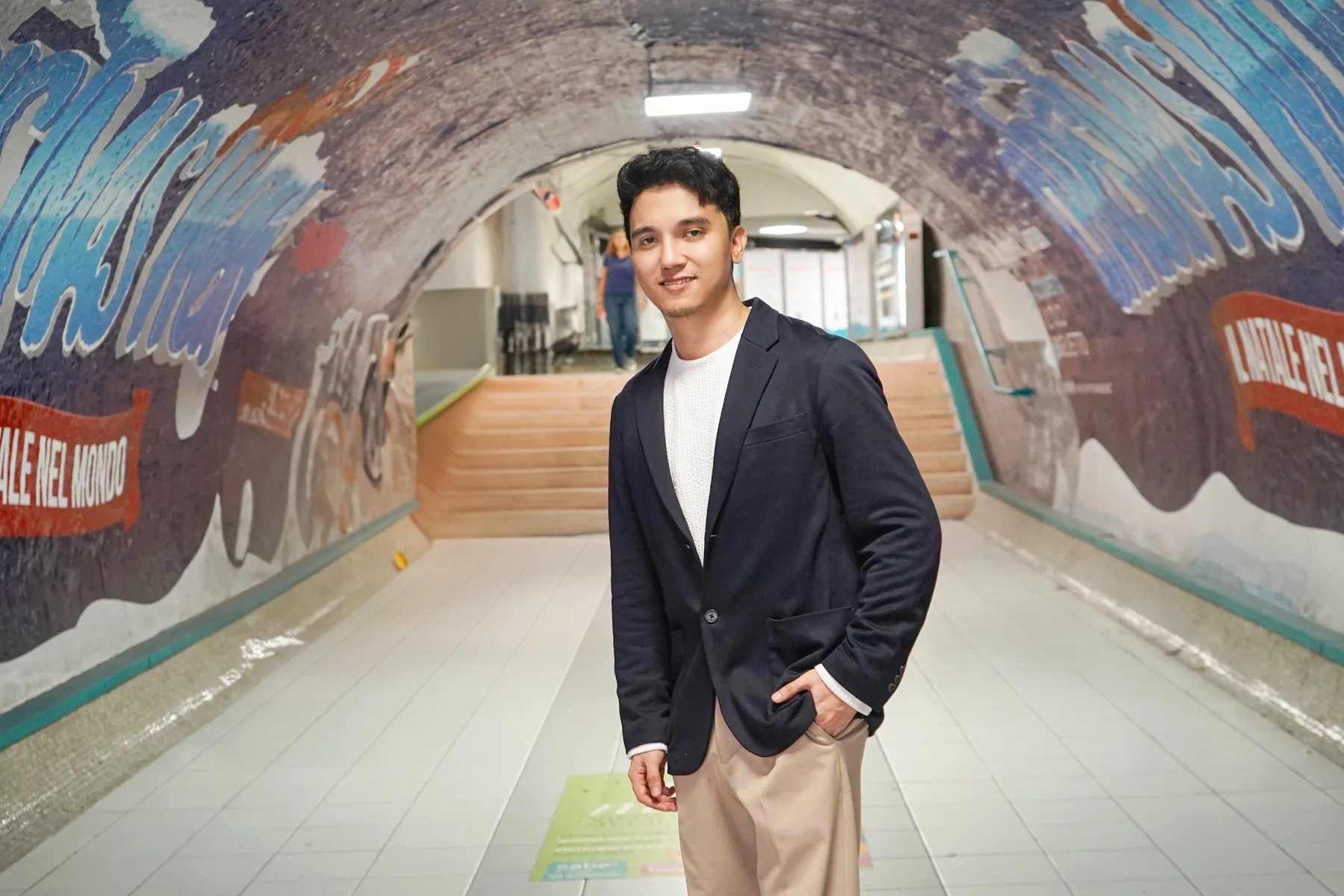
Reflections
Behind every map are real landscapes, real communities, and stories that can only be understood by being there.
This remains one of my favorite international trips—not simply because it was my first time in Europe, but because it brought together two things I genuinely love: learning and exploring.
As someone who spends much of my career working with satellite imagery, maps, and spatial data, it is easy to become absorbed in what we see from above. Traveling reminds me that every mapped place is lived, remembered, and understood from the ground.
Experiences like this have made me more curious, more grateful, and even more motivated to keep using geospatial science in support of people and places around the world.
Sometimes, the most meaningful journeys begin with a single unexpected email.